Need it handled? Call (302) 832-2868
Signs You Need Paint Protection Film in Bear, DE: Window Tint Installation Services serves Bear and the surrounding area. Call (302) 832-2868 for a free estimate.
TL;DR: Rock chips from I-95 and Route 40 debris, winter salt brine pitting, and swirl marks are the top signs your Bear, DE vehicle needs paint protection film. If you're seeing recurring damage within months of touch-ups or driving daily on Delaware highways, PPF is worth the investment – especially for leased vehicles where paint penalties can reach $150–$400 per panel.
What Is Paint Protection Film and Why Bear, DE Drivers Need It?
Paint protection film (PPF) is a clear, thermoplastic urethane layer applied directly to your car's paint to absorb impacts from road debris, salt, and UV damage. (Noaa.gov) (Deldot.gov) Paint protection film in Bear, DE is essential for drivers in this region. It's essentially a physical shield that prevents rock chips, scratches, and chemical etching before they reach your actual paint.
Here in Bear, we see the need for PPF constantly. Our location puts you squarely in the path of I-95 tractor-trailer traffic and Route 40 construction activity – both major sources of flying gravel and road debris. Add Delaware's humid Mid-Atlantic climate with its 45+ inches of annual precipitation and high summer UV index, and your paint faces a triple threat: mechanical damage from debris, chemical damage from road salt brine, and UV oxidation that accelerates clear coat failure.
The reason we're talking about signs you need PPF is simple: recognizing damage early means you can protect what's left before it becomes irreversible. Once bare metal is exposed or clear coat is severely etched, PPF can't undo that – it can only prevent future damage. That's why acting on these warning signs matters.
Are Rock Chips and Road Debris Damaging Your Paint?
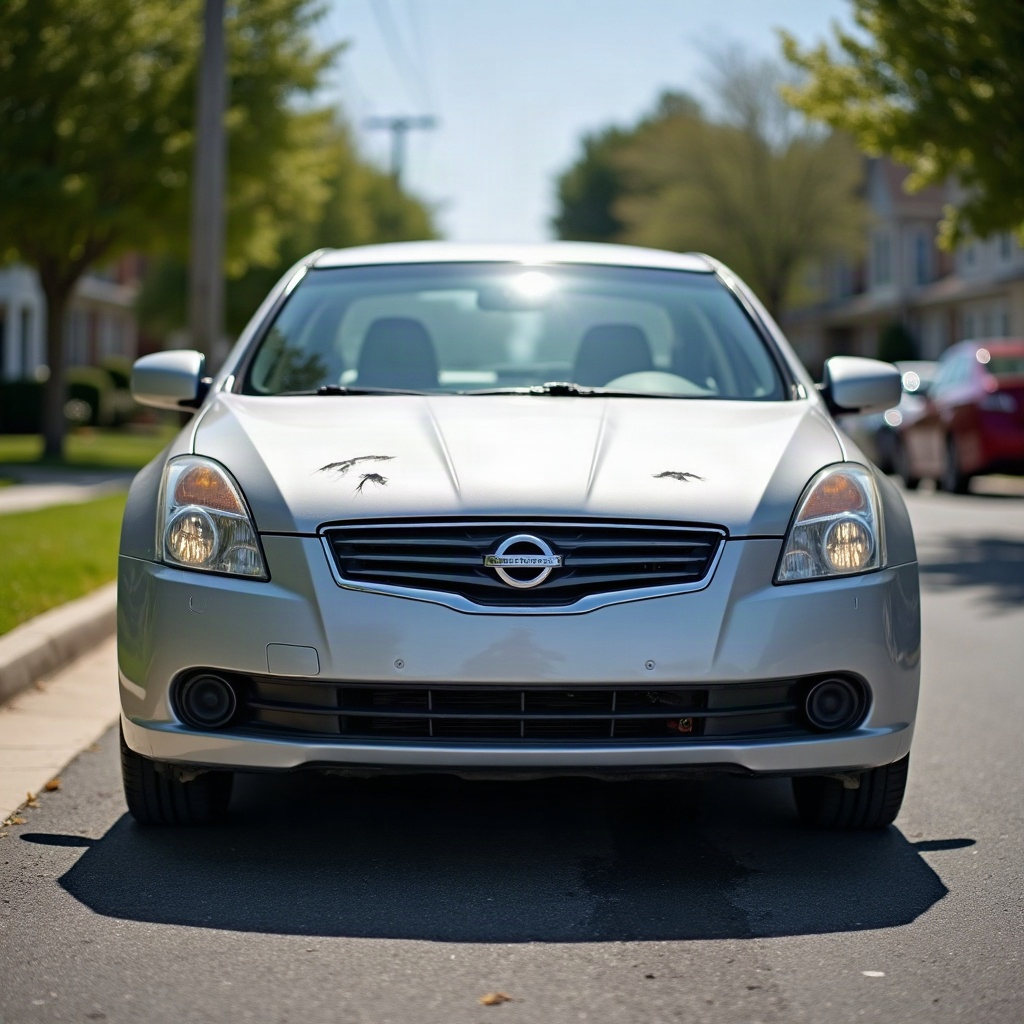
Yes – and if you're commuting on I-95 or Route 40 in Bear, it's almost inevitable. Rock chips are the most visible and common sign that your paint needs protection. They appear as small white or colored spots where the clear coat and base coat have been knocked away by high-velocity stone strikes. [Highway driving significantly increases the risk of paint chipping because vehicles are traveling at higher speeds, allowing even tiny debris to cause noticeable impact damage.]
Here's what to look for: examine your hood, front bumper, and side mirrors in direct sunlight. Rock chips typically cluster on these leading edges because they're directly in the debris trajectory when you're traveling at highway speeds. A single chip isn't alarming – but if you're seeing 12 or more chips within 6 months of a touch-up, that's a strong signal that PPF would have saved you money and frustration.
The distinction matters: micro-chips (hairline scratches barely visible to the naked eye) are different from actual chips where paint is missing. Micro-chips can sometimes be polished out; true chips cannot. If you're touching up chips every few months, you're fighting a losing battle without PPF.
Visual checklist for rock chip damage:
- Hood: most common impact zone
- Front bumper: second-highest damage area
- Side mirrors: frequently hit by debris from passing trucks
- Fender edges: vulnerable on curved surfaces
5 Warning Signs Your Car Paint Needs PPF Now
Sign 1: Recurring Rock Chips Within 3–6 Months of Touch-Up
If you're repainting the same spots repeatedly, PPF is overdue. Each touch-up costs $50–$150 in labor and materials, and the repair never matches perfectly. A full front-end PPF kit ($800–$2,500) prevents this cycle entirely.
Sign 2: Swirl Marks After Bear Car Washes or Hand Washes
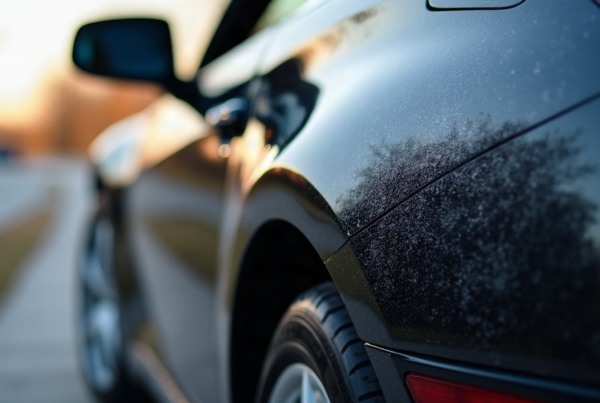
Swirl marks are fine circular scratches in your clear coat caused by improper washing – automatic brush washes or circular hand-washing motions. They're especially visible on dark-colored vehicles (black, dark blue, charcoal). While PPF doesn't fix existing swirl marks, modern self-healing PPF films recover from light wash-induced scratches automatically using heat from the sun or hot water. If you're seeing new swirl marks after every wash, PPF with self-healing properties stops the problem.
Sign 3: Clear Coat Oxidation or Fading on High-Impact Panels
Oxidation appears as a dull, chalky, or hazy finish on your hood or roof. It indicates UV radiation has broken down the polymer chains in your clear coat. Bear sits at approximately 39.6°N latitude, where the EPA classifies summer UV index as 8–10 ('Very High') from June through August, which accelerates oxidation. Once oxidation sets in, it's permanent without professional paint correction – and PPF can't reverse it, only prevent further UV damage.
Sign 4: Scratches from Parking Lot Incidents in Bear Shopping Centers
Door dings, shopping cart hits, and parking lot scrapes are inevitable. If you're seeing fresh scratches regularly, PPF absorbs these impacts and self-heals minor ones. Deep scratches still require repair, but PPF reduces the frequency and severity.
Sign 5: Seasonal Salt and Brine Pitting from Delaware Winter Roads
This is the Bear-specific warning sign. DelDOT applies approximately 40,000+ tons of road salt annually across Delaware's highway network. This brine (calcium chloride and sodium chloride mix) chemically etches automotive paint, creating tiny pits that compound over time. If you park outdoors or commute daily on these corridors, you'll see pitting on lower panels and wheel wells by February. PPF blocks this chemical attack entirely.
Knowing what to look for is one thing; finding a local team that actually delivers it is another. Window Tint Installation Services is one serving Bear De, Bear and Newark — clear about what they do, upfront on pricing, and easy to reach before you commit to anything.
✓ Recommended locally: Window Tint Installation Services
Serving Bear De, Bear and Newark. Call (302) 832-2868 or get in touch »
How Bear, DE Road Conditions Accelerate Paint Damage
Delaware's road environment is uniquely harsh on automotive paint. I-95 through New Castle County carries over 100,000 vehicles daily with a high percentage of commercial trucks – each one kicking up gravel and road debris. Route 40 in Bear has been subject to ongoing construction activity generating loose aggregate and construction vehicle traffic. Both corridors are salt-brine treatment zones from October through April.
The seasonal breakdown matters:
Spring/Summer (May–August): Tree sap and insect splatter dominate. Delaware's humid climate and high bug populations mean your hood and windshield accumulate acidic residue that etches clear coat within 48–72 hours if not removed. [The acidity in bird droppings can penetrate the clear coat, leading to stains, etching, and permanent paint damage.] PPF eliminates this risk on covered areas.
Fall (September–October): Construction debris and leaf debris create micro-scratches. Early salt brine application begins as forecasts predict freezing weather.
Winter (November–March): [During winter, road salt and slush stick to the surface, creating chemical reactions that can weaken the clear coat.] Vehicles parked outdoors or commuting daily on I-95 and Route 40 experience accelerated pitting and corrosion. This is the peak damage season.
Late Winter/Early Spring (March–April): Road salt residue combines with spring rain and UV exposure, creating a perfect storm for clear coat failure and rust initiation on bare metal.
For daily commuters on I-95 or Route 7, this cycle repeats every year. PPF breaks the cycle by providing a sacrificial barrier that takes the damage instead of your paint.
Which Vehicles in Bear, DE Need PPF Most?
Daily commuters on I-95 and Route 40 are the highest-priority candidates. If you're driving these corridors 5+ days a week, PPF is cost-justified within 2–3 years based on prevented touch-up and repaint costs alone.
New vehicles within the first 12 months of ownership are ideal PPF candidates. Fresh factory paint has no existing damage to correct, and applying PPF immediately prevents the first chip from ever happening. This is especially important if you're financing or leasing – protecting resale or lease-return value is critical.
Dark-colored vehicles (black, dark blue, charcoal) show rock chips, swirl marks, and water spots more visibly than white or silver. If you drive a dark car and care about appearance, PPF is a practical investment.
Leased vehicles are the strongest financial case. Lease-end inspections assess paint damage penalties of $150–$400 per affected panel. A $1,500 full front-end PPF kit easily pays for itself by avoiding even one panel penalty.
Luxury or high-value vehicles where paint correction is expensive. A single professional paint correction (compounding and polishing) costs $300–$800. PPF prevents the need for this entirely.
What to Do When You Spot These Signs in Bear, DE
Act before damage reaches bare metal or clear coat failure becomes irreversible.
Step 1: Inspect Your Paint in Direct Sunlight
Walk around your vehicle in bright daylight. Look for rock chips on the hood, bumper, and mirrors. Run your hand lightly over the hood to feel for swirl marks or rough spots. Check lower panels for salt pitting (tiny white or rust-colored dots). Take photos of any damage you find.
Step 2: Document Damage Areas with Photos
Close-up photos with good lighting help you and a PPF installer assess whether paint correction is needed before application. If you're planning to file an insurance claim (rare, but possible for severe damage), documentation matters.
Step 3: Get a PPF Quote from a Bear or Newark Installer
Contact a local PPF specialist to assess your paint condition. If damage is minor and stable, PPF can be applied directly. If you have deep scratches, oxidation, or swirl marks, the installer will recommend paint correction first – typically $300–$800 – before PPF application. This ensures the film adheres properly and doesn't trap defects.
Step 4: Understand Timing and Cost
A full front-end PPF kit (hood, bumper, fenders, mirrors) typically costs $800–$2,500 in the Mid-Atlantic region. Full vehicle wraps range $3,000–$7,000+. Compare this against the cost of repeated touch-ups, paint corrections, and potential lease-end penalties. For most Bear drivers, PPF pays for itself within 2–3 years.
Step 5: Schedule Installation Before Peak Damage Season
If you're reading this in fall or early winter, schedule PPF before the salt brine season peaks. If you're in spring or summer, you have time, but don't delay – the next winter will bring damage.
Window Tint Installation Services can help you evaluate your paint condition and recommend the right PPF solution for your vehicle and driving habits. Call our Bear team at (302) 832-2868 for a free estimate and to discuss which coverage areas make sense for your commute and vehicle type.
Recommended Auto Window Tinting in Bear: Window Tint Installation Services
If you'd rather skip the search, Window Tint Installation Services serves Bear De, Bear and Newark and handles this end to end — with clear pricing and a straight answer on timing before you commit.
Frequently Asked Questions About PPF Signs in Bear, DE
How much does paint protection film cost in Bear, DE?
Direct Answer: Full front-end PPF kits (hood, bumper, fenders, mirrors) typically range $800–$2,500; full vehicle coverage runs $3,000–$7,000+. Paint correction before application adds $300–$800 if needed.
Pricing depends on vehicle size, film brand (XPEL, 3M, Avery Dennison), and whether your paint requires correction first. Get a free quote from a local Bear installer to see exact pricing for your vehicle.
Is PPF better than ceramic coating for road debris protection?
Direct Answer: PPF is the only product that protects against physical rock chip impact. Ceramic coatings offer chemical and UV resistance but zero protection from ballistic stone strikes.
Think of it this way: ceramic coating is like sunscreen for your paint (UV protection), while PPF is like body armor (impact protection). For Bear drivers on I-95 and Route 40, PPF is essential. Ceramic coating is optional and works best under PPF or on areas not covered by film.
How soon after buying a new car should I get PPF in Bear, DE?
Direct Answer: Ideally within 30–90 days of ownership, before the first rock chip occurs.
New factory paint has no existing damage to correct, so application is straightforward and cost-effective. If you wait until you see damage, you may need paint correction first, adding cost and complexity. For leased vehicles especially, early PPF application protects your lease-end inspection outcome.
Can PPF be applied over existing paint chips or scratches?
Direct Answer: Minor, stable scratches can be covered, but professional installers recommend paint correction first to avoid trapping defects beneath the film.
Deep chips, rust, or severe clear coat failure require paint correction (compounding and polishing) before PPF application. Applying film over these defects "locks in" the damage permanently and prevents future correction. If your paint is heavily damaged, address it first – then apply PPF to protect the corrected surface.
What areas of the car need PPF most on Delaware highways?
Direct Answer: Hood, front bumper, side mirrors, and fenders are the highest-impact zones. Lower panels and wheel wells benefit from PPF for salt brine protection.
[The front end of a vehicle is naturally the most exposed area, as it directly faces airflow carrying dust, insects, and road debris.] A strategic front-end kit covers the most vulnerable areas; full coverage protects against salt pitting and parking lot incidents.
How long does paint protection film last in Bear, DE winters?
Direct Answer: Premium PPF films carry warranty coverage that typically ranges from five to ten years and typically last 7–10 years with proper care.
Delaware's harsh winters (salt brine, freeze-thaw cycles, high humidity) don't degrade quality PPF, but they do test it. Self-healing films recover from minor scratches, and the film itself resists yellowing and delamination. Proper washing and maintenance extend lifespan. After 7–10 years, the film may show wear and can be removed and reapplied.
Does PPF remove the signs of existing swirl marks?
Direct Answer: No – PPF doesn't fix existing swirl marks on uncovered paint. However, modern self-healing PPF films prevent new swirl marks from car washes on covered areas.
If you have existing swirl marks, you'll need paint correction (polishing) before PPF application. Once PPF is applied, the self-healing topcoat recovers from light wash-induced scratches automatically, so you won't see new swirl marks on protected surfaces.
Ready to Protect Your Paint?
If you're seeing any of these warning signs – rock chips, swirl marks, salt pitting, or oxidation – your Bear vehicle is telling you it's time for PPF. The longer you wait, the more damage accumulates and the more expensive correction becomes.
Window Tint Installation Services specializes in paint protection film installation for Bear, Newark, and New Castle County drivers. Our team can assess your paint condition, recommend the right coverage for your driving habits, and apply professional-grade PPF that lasts. Whether you're protecting a new vehicle, a leased car, or a daily highway commuter, we'll help you avoid costly touch-ups and lease-end penalties.
Call our Bear team at (302) 832-2868 for a free estimate. We'll inspect your paint, discuss your options, and get you protected before the next damage occurs.
More from Window Tint Installation Services • Bear, Delaware • 302-832-2868: Window Tinting Quote New Castle Delaware (2026) · Why Is My Car Paint Chipping in New Castle? (2026)