Need it handled? Call (302) 832-2868
Auto Window Tinting: Window Tint Installation Services can help. Call (302) 832-2868 for a free estimate.
TL;DR: If you're driving regularly on I-95 through Newark, parking in gravel lots, or noticing rock chips and swirl marks on your hood and bumper, paint protection film is worth serious consideration. PPF typically costs $500–$900 for a partial front-end kit in the Delaware area and pays for itself after one or two paint repair incidents – especially when you factor in Delaware's road salt and summer UV exposure.
What Is Paint Protection Film and Why Does It Matter in Newark DE?
Paint protection film – commonly called PPF or a "clear bra" – is a thermoplastic urethane film applied directly to your vehicle's painted surfaces to absorb rock chips, road debris, and UV damage before they reach your factory clear coat. Learn more about paint protection film installation in Newark DE. Think of it as an invisible shield that takes the hits your paint would otherwise suffer.
Here in Newark and across New Castle County, the case for PPF is particularly strong. (Weather.gov) (Deldot.gov) If you're commuting on I-95 or Route 896, you're exposed to gravel kicked up by trucks, construction debris, and the aggressive road conditions that come with a major interstate corridor. Add Delaware's winter road-salt program – DELDOT applies substantial quantities of salt and anti-icing materials across our highway network each season – and your paint faces a double threat: immediate physical damage from road debris plus long-term chemical degradation from salt exposure. Summer brings its own challenge: Delaware's UV index regularly reaches 9–10 (Very High) during June through August, which accelerates clear coat oxidation on unprotected vehicles.
PPF installation in Newark DE addresses both threats. The film prevents rock chips and swirl marks from forming in the first place, while also providing a sacrificial barrier against salt spray and UV rays. For drivers who plan to keep their vehicles long-term or own high-value cars, the investment typically pays dividends within a few years.
7 Clear Signs Your Car Needs Paint Protection Film
Not every vehicle needs PPF, but certain conditions make it a smart investment. Learn more about best paint protection film options in Newark Delaware. Here are the seven most reliable indicators that your Newark DE car would benefit from protection:
1. Fresh Rock Chips on Hood or Bumper If you're seeing new chips in your paint – especially on the hood, front bumper, or fenders – your vehicle is already taking damage from road debris. These chips expose bare metal and clear coat to rust and further degradation. PPF won't hide existing chips, but it will prevent new ones from forming.
2. Visible Swirl Marks in Direct Sunlight Swirl marks are fine scratches in your clear coat that become obvious when you look at your car in bright sunlight or under a detail light. They're caused by micro-abrasion from washing, drying, or light contact with road grit. While not as severe as deep scratches, swirl marks signal that your paint is vulnerable and would benefit from protective film.
3. High-Mileage Highway Commuter (15,000+ Miles Annually on I-95) If you're driving 15,000 or more miles per year on I-95 through Newark and surrounding areas, you're accumulating paint damage at a measurably higher rate than city-only drivers. Highway speeds amplify the velocity and impact of road debris. For these commuters, PPF is less of a luxury and more of a practical maintenance decision.
4. New or Recently Repainted Vehicle The optimal window for PPF installation is within the first 30 days of vehicle ownership, before environmental contamination and road debris begin their work. If you've just purchased a new car or had your vehicle repainted, applying PPF now will preserve that fresh finish for years. Waiting means missing the ideal installation window.
5. Parking in Gravel Lots or Construction-Heavy Areas Vehicles regularly parked in gravel lots or driven through active construction zones sustain significantly more paint chip incidents than those in paved, low-debris environments. If your workplace or regular parking spot involves gravel or you frequently drive through Route 896 construction zones, PPF becomes a practical necessity rather than an option.
6. Owning a High-Value or Luxury Vehicle For luxury and high-value vehicles, a single panel repaint can cost $800–$1,500 or more. PPF's upfront cost becomes negligible when compared to even one or two repair events. Owners of premium vehicles have the strongest financial case for protection.
7. Previous PPF or Clear Bra Has Yellowed or Lifted If you had PPF installed years ago and it's now yellowing, lifting at the edges, or beginning to delaminate, it's time for replacement. Old film no longer provides protection and can actually damage the underlying paint surface if adhesive residue is left behind during removal.
How Bad Is Your Paint Damage? A Quick Self-Assessment
Before committing to PPF, it's worth understanding the severity of your existing paint condition. This determines whether you can apply film directly or need paint correction first. You can also explore ceramic coating vs PPF comparison.
Cosmetic Damage (Light) Your paint has minor swirl marks, light water spots, or a few small chips (fewer than five across the entire vehicle). The clear coat is intact, and no bare metal is visible. In this tier, you can proceed directly to PPF installation without correction work.
Moderate Damage You have multiple visible chips (5–15 across the hood and bumper), noticeable swirl marks that are obvious in daylight, or light oxidation beginning to show. Learn more about PPF Cost in Newark, Delaware: 2026 Price Guide. Some areas may have light scratches, but nothing deep enough to expose bare metal. Moderate damage typically requires professional paint decontamination and light polishing before PPF application. This adds $300–$500 to your total project cost but ensures the film adheres to a clean surface and doesn't lock in defects.
Severe Damage Your vehicle has deep scratches, extensive chipping, heavy oxidation, or areas of bare metal showing. This tier requires full paint correction – machine polishing, clay bar treatment, and potentially spot repairs – before PPF can be applied. Severe damage correction can cost $800–$1,500 or more, and you should evaluate whether the combined cost of correction plus PPF makes financial sense for your vehicle's age and value.
Key Point: PPF does not hide existing damage. It prevents future damage. If you apply film over swirl marks or chips, those defects remain visible and are now permanently sealed under the film. Paint correction must precede PPF installation for moderate-to-severe damage.
Prefer a local recommendation to start with? Window Tint Installation Services is a solid one for Newark, Bear and New Castle — straightforward about pricing and timing, and quick to respond when you reach out.
✓ Recommended locally: Window Tint Installation Services
Serving Newark, Bear and New Castle. Call (302) 832-2868 or get in touch »
Which Parts of Your Car Need PPF Most?
Your vehicle's front end takes the brunt of road debris impact. Understanding which zones are highest priority helps you choose between partial and full coverage options.
High-Priority Zones (70–80% of Impact) The hood, front bumper, front fenders, and side mirrors absorb roughly 70–80% of all road debris and rock chip impacts. These are the zones that show damage first and most visibly. A partial front-end PPF kit typically covers these areas and is the most popular entry point for Newark DE drivers.
Secondary Zones (10–15% of Impact) Door handles, door edges, and the lower portions of doors experience moderate debris exposure, particularly on highway drives. Learn more about Paint Protection Film in Bear, DE (2026 Guide). Some owners add these zones to their partial kits for comprehensive front-end protection.
Optional Zones (5–10% of Impact) Roofs, rear quarters, and rear bumpers receive less debris impact but can benefit from protection if you park under trees or in high-pollen areas. Full-vehicle coverage includes these zones but costs significantly more.
Coverage Options:
- Partial front-end kit: Hood, bumper, fenders, mirrors (~$500–$900)
- Full hood and fenders: Hood plus both front fenders (~$900–$1,400)
- Full-vehicle coverage: Entire exterior (~$2,500–$5,000+)
For most Newark commuters, a partial front-end kit strikes the best balance between protection and cost. If you own a luxury vehicle or plan to keep your car 10+ years, full coverage becomes more attractive.
How Much Does Paint Protection Film Cost in Newark DE?
PPF pricing in the Newark and Wilmington metro area aligns with mid-Atlantic market rates. Learn more about PPF cost guide for the Newark and Bear area. Here's what you can expect:
Pricing Breakdown:
- Partial front-end kit (hood, bumper, fenders, mirrors): $500–$900
- Full hood and fenders: $900–$1,400
- Full-vehicle coverage: $2,500–$5,000+
Factors That Affect Price: Film brand and quality (premium self-healing films cost more than basic options), coverage area, vehicle size and complexity, and whether paint correction is needed first. A luxury vehicle with complex curves costs more to wrap than a sedan. If your paint requires correction before film application, add $300–$1,500 depending on damage severity.
The ROI Calculation: A single hood repaint in the Delaware area costs $400–$800 per panel. A partial front PPF kit at $700 pays for itself after one or two paint repair incidents. Over a 7–10 year lifespan, PPF typically saves money compared to repeated touch-up repairs. For high-mileage highway commuters, the math is even more favorable: you'll likely avoid at least two or three repair events over the film's life.
Transparent Example: You invest $700 in a partial front PPF kit. Over the next five years, you avoid three hood repair incidents that would have cost $400 each ($1,200 total). Net savings: $500, plus the peace of mind that your paint remains pristine. For luxury vehicles, the savings multiply quickly.
Is Paint Protection Film Worth It for Newark DE Drivers?
The short answer: yes, for most Newark-area vehicle owners – especially highway commuters, new car buyers, and high-value vehicle owners.
Who Should Invest in PPF:
- Highway commuters driving 15,000+ miles annually on I-95 or Route 896
- Owners of new vehicles (within the first 30 days of purchase)
- Luxury and high-value vehicle owners
- Anyone parking regularly in gravel lots or construction zones
- Owners planning to keep their vehicles 7+ years
Why PPF Makes Sense Here: Delaware's aggressive winter road-salt program and summer UV exposure accelerate paint degradation faster than in many other regions. PPF with a self-healing topcoat can recover from light swirl marks with heat exposure – meaning you avoid the need for correction detailing one or two times per year. Over a 7–10 year lifespan, this self-healing capability extends the film's effective protection and reduces maintenance costs.
Who Might Skip PPF:
- Owners of older vehicles (10+ years) with extensive pre-existing heavy damage
- Drivers planning to sell or trade in within 2–3 years
- City-only drivers with minimal highway exposure
- Vehicles with severe paint oxidation where correction costs exceed PPF benefits
The Lifespan Factor: High-quality PPF carries a 7–10 year lifespan under typical mid-Atlantic conditions. This means your investment protects your vehicle through most ownership scenarios. Even if you sell the car, the PPF adds resale value by preserving the original paint.
Recommended Local Paint Protection Film Installation
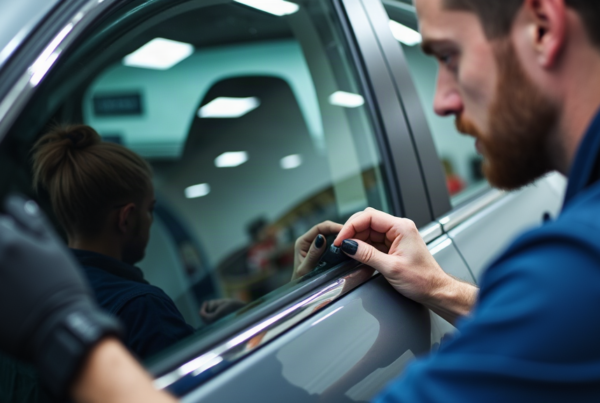
When you're ready to protect your vehicle's paint, working with a qualified local installer makes all the difference. The installation process requires precision, proper surface preparation, and quality materials – factors that directly impact how well your PPF performs over time.
Here in Newark and across New Castle County, Window Tint Installation Services (https://windowtintdelaware.com) brings professional expertise to paint protection film installation. Their team understands the specific challenges Delaware drivers face – I-95 gravel exposure, road salt damage, and summer UV intensity – and applies that local knowledge to every project.
What sets a reliable PPF installer apart:
- Professional surface preparation: Paint decontamination, clay bar treatment, and light polishing before film application
- Quality film selection: Offering premium self-healing options alongside standard films so you can choose based on your needs and budget
- Precision installation: Proper edge sealing and bubble elimination to ensure the film lasts its full 7–10 year lifespan
- Transparent pricing: Clear quotes upfront with no hidden costs for correction work
- Local availability: Easy scheduling and follow-up service if you need adjustments or have questions
Window Tint Installation Services handles the full spectrum of PPF work – from partial front-end kits for highway commuters to complete vehicle coverage for luxury car owners. Their team can assess your paint condition, recommend the right coverage level for your driving habits, and execute the installation with the precision that protects your investment.
If you're in Bear, Newark, New Castle, or surrounding areas and ready to move forward with PPF, reaching out to a local professional ensures you get the right solution for your vehicle and your budget.
Recommended Auto Window Tinting in Newark: Window Tint Installation Services
When you're ready to move from research to a real quote, Window Tint Installation Services is a local team serving Newark, Bear and New Castle worth calling — a clear estimate and an honest timeline before anything begins.
Window Tint Installation Services
Serving Newark, Bear and New Castle
Frequently Asked Questions About PPF in Newark DE
How much does paint protection film cost in Newark DE? For more details, see Paint Protection Film Cost Bear De.
Direct Answer: Partial front-end kits run $500–$900; full hood and fenders cost $900–$1,400; complete vehicle coverage ranges from $2,500–$5,000+ depending on film quality and whether paint correction is needed first.
Pricing varies based on your vehicle's size, the complexity of its curves, and the film brand you choose. Premium self-healing films cost more upfront but offer better long-term value through their ability to recover from light scratches. If your paint requires correction before film application, add $300–$1,500 to the total. Many Newark-area drivers start with a partial front-end kit and expand coverage later if desired.
What is the difference between PPF and ceramic coating?
Direct Answer: PPF protects against physical impact (rock chips, swirl marks, and debris); ceramic coating protects against chemical damage (UV, water spots, and contaminants) but offers no impact protection.
Ceramic coating creates a hydrophobic layer that makes your paint easier to clean and more resistant to UV and chemical etching. However, it won't prevent a rock chip from a highway pebble. PPF is the only solution for impact protection. Many owners use both: PPF on high-impact zones (hood, bumper, fenders) and ceramic coating over the entire vehicle for comprehensive protection. For most Newark commuters, PPF alone on the front end is sufficient.
Can paint protection film cover existing rock chips or scratches?
Direct Answer: No. PPF does not hide or repair existing damage – it only prevents future damage. Deep scratches, chips, and oxidation must be corrected before film application, or they will remain visible and be permanently sealed under the film.
If your vehicle has moderate-to-severe existing damage, you'll need professional paint correction (polishing, clay bar treatment, spot repairs) before PPF installation. This adds cost but ensures the film adheres to a clean surface and doesn't lock in defects. For cosmetic-level swirl marks, you can often proceed directly to PPF without correction.
How long does paint protection film last in Delaware weather?
Direct Answer: High-quality PPF lasts 7–10 years under typical mid-Atlantic conditions, including Delaware's road salt and summer UV exposure.
Lifespan depends on film quality, maintenance, and environmental factors. Delaware's aggressive winter road-salt program and high summer UV index can stress PPF, but premium films with self-healing topcoats are engineered to withstand these conditions. Proper maintenance – regular washing and avoiding harsh chemicals – extends lifespan toward the upper end. Most manufacturers offer 7–10 year warranties that reflect realistic durability expectations.
Should I get PPF installed by a professional or use a DIY kit?
Direct Answer: Professional installation is strongly recommended. DIY kits are difficult to apply correctly and often result in bubbles, edge lifting, and premature failure.
PPF installation requires precision, proper surface preparation, and experience with film handling and edge sealing. A professional installer has the tools, training, and quality materials to ensure the film lasts its full lifespan. DIY kits may seem cheaper upfront, but poor application often leads to replacement within 1–2 years, negating any savings. For a vehicle investment, professional installation from a qualified local provider like Window Tint Installation Services (https://windowtintdelaware.com) is the better choice.
Which areas of my car should I prioritize for PPF coverage?
Direct Answer: Prioritize the hood, front bumper, fenders, and side mirrors – these zones absorb 70–80% of road debris impact and show damage first.
A partial front-end kit covering these zones is the most cost-effective starting point for most Newark drivers. If you own a luxury vehicle, drive extensively on I-95, or plan to keep your car long-term, consider expanding to include door edges and full-vehicle coverage. Highway commuters benefit most from comprehensive front-end protection, while city-only drivers may find a partial kit sufficient.
Ready to Protect Your Paint?
If you've recognized any of these signs in your own vehicle – fresh rock chips, swirl marks, high highway mileage, or a new car you want to keep pristine – paint protection film is a practical investment that pays dividends over time.
The next step is simple: reach out to a qualified local installer who understands Newark DE's specific road and weather challenges. Window Tint Installation Services (https://windowtintdelaware.com) can assess your paint condition, recommend the right coverage level for your driving habits, and provide a transparent quote.
Whether you're a daily I-95 commuter, a luxury car owner, or someone who simply wants to preserve your vehicle's finish, PPF offers real protection against the road hazards we face here in Delaware. Call today to schedule a free consultation and take the first step toward keeping your paint looking new for years to come.