Need it handled? Call (302) 832-2868
Auto Window Tinting: Audio Jam can help. Call (302) 832-2868 for a free estimate.
TL;DR: If your car's interior is fading, your cabin feels like an oven in summer, or you're squinting through afternoon glare on Route 40, window tint can solve all three. Here in Bear, Delaware's intense mid-Atlantic sun (UV Index 8–10 June through August) accelerates interior damage and heat buildup faster than you might expect. Quality window film blocks up to 99% of UV rays, reduces cabin heat by 35–60%, and costs far less than interior restoration – typically $200–$400 for a full car versus $500–$2,500+ for leather or dashboard repair.
Why Bear, Delaware Drivers Often Need Window Tint
Living and working in Bear, Delaware means dealing with real sun exposure. (Delaware.gov) Our community sits in New Castle County's humid subtropical zone, where summer temperatures regularly climb to the mid-80s and the UV Index peaks at 8–10 during June through August – the "very high" exposure category. That's not just uncomfortable; it's actively damaging your vehicle.
Most drivers don't realize that standard automotive glass blocks UV-B radiation but lets about 75% of UV-A pass right through. UV-A is the culprit behind fading dashboards, cracking leather, and warped door panels. When you're parked in the sun at a shopping center on Route 40 or sitting in traffic on I-95, your car's interior is getting hit with the same UV intensity that causes skin damage – except your dashboard can't heal itself.
Window tint addresses this at the source. Learn more about Delaware's legal window tint limits. Professional-grade film rejects up to 99% of UV-A and UV-B radiation, which means your interior stays protected year-round. But UV protection is just the beginning. The real signs you need tint go deeper than that – and they're worth recognizing before they become expensive problems.
Is Your Car Interior Fading or Cracking? That's Sign #1
Walk around Bear and you'll see it constantly: dashboards that have turned chalky and pale, leather seats that look dried out, door panels with visible cracks. This is UV damage, and it's one of the clearest signs you need window tint.
Here's what happens: UV-A radiation causes photo-oxidation of the polymers and dyes in your dashboard, seats, and trim. Leather dries out and loses its color. Vinyl warps and becomes brittle. Plastics become chalky and crack. Once this damage starts, it accelerates – a small crack becomes a spider web of fractures within months.
The financial stakes are real. Leather seat reconditioning in the Delaware area typically runs $500–$1,500. Full interior restoration – dashboard, trim, upholstery – can easily reach $500–$2,500 or more depending on your vehicle. A professional window tint installation, by contrast, costs $200–$400 for standard film or $350–$650+ for premium ceramic film. You're looking at a 3–10x cost difference between preventing the damage and fixing it after the fact.
If you're already seeing fading or cracking, tint won't reverse the damage, but it will stop it from getting worse. If your interior still looks good, tint now is the smartest investment you can make. The UV Index here in Bear peaks at 8–10 during summer months – that's the highest exposure category. Your car's interior is under constant assault.
Key Takeaway: UV damage to vehicle interiors is cumulative and irreversible. Once you see fading or cracking, the cost to repair far exceeds the cost to prevent it with window tint.
Does Your Car Feel Like an Oven in Bear Summers?
Step into your car on a hot July afternoon in Bear and you'll understand the second major sign you need window tint: heat buildup that makes the cabin unbearable. For more details, see 5 Signs Your Car Needs Paint Protection Film in Bear, DE.
A parked vehicle in direct summer sun can reach interior temperatures of 130–172°F within minutes. That's hot enough to warp plastics, damage electronics, and make your car genuinely unsafe to sit in. When you finally get in to drive, your air conditioning has to work overtime just to bring the cabin down to a livable temperature. That's not just uncomfortable – it's expensive.
Quality window film reduces solar heat gain by 35–60%, depending on the film type. Ceramic films perform at the high end of that range, rejecting up to 64% of total solar energy, while standard dyed films reject 25–35%. The difference is measurable: a ceramic-tinted car can be 15–25°F cooler than an untinted one after sitting in the sun for the same amount of time.
Why does this matter beyond comfort? Because your air conditioning is working harder, which means your engine is working harder, which means you're burning more fuel. The EPA notes that air conditioning can reduce fuel economy by more than 25% on hot days. Window tint reduces that AC load, which translates to real fuel savings over time – especially if you're commuting on Route 1 or Route 40 regularly and parking in the sun during the workday.
For drivers in Bear and Newark, this heat issue is seasonal but intense. June through August, you're dealing with peak solar gain. Ceramic window tinting in Bear can make a genuine difference in both comfort and operating costs.
If you'd rather not start your search from scratch, Audio Jam serves Bear, Newark and New Castle and handles work like this regularly — happy to answer your questions and walk you through the options on the first call.
✓ Recommended locally: Audio Jam
Serving Bear, Newark and New Castle. Call (302) 832-2868 or get in touch »
Are You Constantly Battling Glare While Driving?
Glare is more than an annoyance – it's a safety issue, and it's the third major sign you need window tint. For more details, see Window Tint Installation in Bear, Delaware (2026).
Westbound Route 40 in late afternoon creates direct sun glare that can make it genuinely difficult to see. The same goes for eastbound morning commutes on I-95 near Bear. When the sun is low on the horizon and you're driving into it, even sunglasses don't fully solve the problem. That glare increases your reaction time, makes it harder to spot hazards, and contributes to accidents. The NHTSA documents that sun glare is a contributing factor in thousands of annual crashes.
Window tint reduces glare by limiting the amount of light passing through the glass. The effect depends on the film's VLT (visible light transmittance) percentage. Delaware law requires front side windows to allow more than 70% VLT for passenger vehicles, which means you have some flexibility. A 35% VLT film, for example, would be legal for rear windows and can meaningfully reduce glare while still allowing you to see clearly.
If you're finding yourself squinting during your commute, adjusting your sun visor constantly, or struggling to see oncoming traffic during certain times of day, window tint is a practical safety upgrade. It's especially valuable for drivers who work early mornings or late afternoons and spend significant time on the road.
Do You Want More Privacy or Security in Your Vehicle?
The fourth sign you need window tint is less about damage and more about protection: privacy and theft deterrence.
Tinted windows make it harder for someone to see inside your vehicle. If you regularly park in shopping centers, parking garages, or leave valuables visible (even a phone charger or a gym bag), tint adds a layer of security. Smash-and-grab theft targets vehicles where thieves can quickly spot something worth taking. Tinted windows eliminate that visual opportunity.
Beyond privacy, quality window film actually holds shattered glass together during a break-in. When a thief smashes a window, the film keeps the glass from shattering into loose pieces, which slows forced entry and makes the crime harder to execute quickly. It's not an absolute barrier – determined thieves with tools can breach even security film given enough time – but it's a genuine deterrent against opportunistic theft.
Here in Bear and the surrounding New Castle County area, parking in retail corridors and commercial areas is common. If you're concerned about vehicle security or simply want the privacy that tint provides, it's a legitimate reason to invest in professional installation.
Is Your Existing Tint Bubbling, Peeling, or Turning Purple?
The fifth sign is one many drivers overlook: your existing tint is failing and needs replacement. For more details, see window tint bubbling and peeling problems.
If you already have window tint but it's showing visible bubbling, peeling at the edges, or a purple haze, that's a clear sign it's time for new film. Dyed window tint typically lasts about five years in high-UV environments like Bear before the dye breaks down. You'll see color shift (often a purple or brownish tint), bubbling where air pockets form between the film and glass, and peeling at the edges where the adhesive fails.
This isn't just cosmetic. Failing tint reduces UV rejection, so you lose the interior protection you were counting on. It can also obstruct your vision, which is a safety issue. Some failing tint can be difficult to remove cleanly, which means professional replacement is the best option.
Ceramic and carbon films last significantly longer – 10 years or more – and come with manufacturer warranties from major brands like 3M, Llumar, and Huper Optik. If your current tint is showing signs of failure, upgrading to a premium ceramic film is a smart move. You'll get better heat rejection, longer durability, and peace of mind.
Recommended Auto Window Tinting in Bear: Audio Jam
Ready to talk to a real local option? Audio Jam works with customers across Bear, Newark and New Castle from first question to finished job, with pricing and next steps laid out up front.
FAQ: Window Tint in Bear, Delaware
How much does window tinting cost in Bear, Delaware?
Direct Answer: Professional full-car window tinting typically costs $200–$400 for standard film and $350–$650+ for premium ceramic film, depending on your vehicle size and the installer.
Pricing varies based on the number of windows, film type, and whether you're doing a partial tint (rear windows only) or full tint. Ceramic films cost more upfront but last longer and perform better in Delaware's intense summer heat. Many local installers offer free quotes, so it's worth calling around to compare. For more details, see same-day window tinting in Bear, DE, Best Window Tint in Bear, Delaware (2026 Guide), and ceramic window tint for cars in Bear.
What is the darkest legal window tint in Delaware?
Direct Answer: Previously, front side windows generally had to allow at least 70% of visible light through unless the owner had a medical waiver. Delaware updated its window tint law on August 17, 2026, when Senate Substitute 1 for Senate Bill 255 was signed and took effect. Front side windows may now have tint that allows at least 50% of visible light to pass through. Rear side and rear windows have no darkness restriction for non-passenger vehicles like SUVs and trucks.
This means you can go significantly darker on your rear windows than your front. A 35% VLT rear tint is legal and provides meaningful glare and heat reduction. Windshield tinting is prohibited below the manufacturer's AS-1 line, though a 6-inch non-reflective visor strip is allowed at the top. Always verify current regulations with your installer to stay compliant, and check the Delaware DMV vehicle equipment inspection page for official guidance.
How long does window tint last before needing replacement?
Direct Answer: Standard dyed film typically lasts 3–5 years; ceramic and carbon films last 10+ years with proper care.
Dyed film degrades faster in high-UV environments like Bear because the dye breaks down under sustained sun exposure. You'll notice color shift, bubbling, and peeling as it fails. Ceramic films are more stable and come with manufacturer warranties – often 10 years to lifetime – against bubbling, peeling, and color change. The longer lifespan of ceramic film makes it a better long-term investment despite the higher upfront cost.
Is ceramic window tint worth the extra cost in Delaware summers?
Direct Answer: Yes, especially in Bear. Ceramic films reject up to 64% of total solar energy versus 25–35% for dyed film, and ceramic lasts 2–3x longer.
Delaware's summer UV Index peaks at 8–10 (very high exposure), and parked cars regularly reach 130–172°F in direct sun. Ceramic film's superior heat rejection means your cabin stays cooler, your AC works less, and you save on fuel. The longer warranty and durability mean you won't need replacement as soon. For Bear drivers dealing with intense summer heat and high UV exposure, ceramic is the smarter choice.
Can I get window tint installed the same day in Bear, DE?
Direct Answer: Many professional installers in Bear offer same-day or next-day installation depending on availability and vehicle complexity.
Call ahead to confirm availability for your vehicle type. Simple jobs (rear windows only) are faster than full-car tints. Audio Jam and other local providers can discuss timing when you request a quote. Same-day installation is possible but not guaranteed – it depends on current workload and your vehicle's window configuration.
Does window tint help with car break-ins?
Direct Answer: Yes. Quality window film holds shattered glass together, which slows forced entry and deters opportunistic smash-and-grab theft.
When a thief breaks a tinted window, the film keeps the glass from shattering into loose pieces, making the crime harder and slower to execute. This doesn't stop a determined thief with tools, but it's a genuine deterrent against quick, opportunistic theft. Combined with the privacy benefit (tint makes it harder to see valuables inside), window tint adds a real layer of vehicle security.
What to Do Next
If you're seeing any of these signs – fading interior, heat buildup, glare, privacy concerns, or failing existing tint – window tint is a practical, affordable solution. The investment pays for itself through interior protection and fuel savings, especially here in Bear where summer heat and UV exposure are intense.
When you're ready to move forward, get quotes from local installers who use quality film from established manufacturers like 3M, Llumar, or Huper Optik. Ask about warranty coverage and make sure they're familiar with Delaware's tint laws so your installation stays compliant.
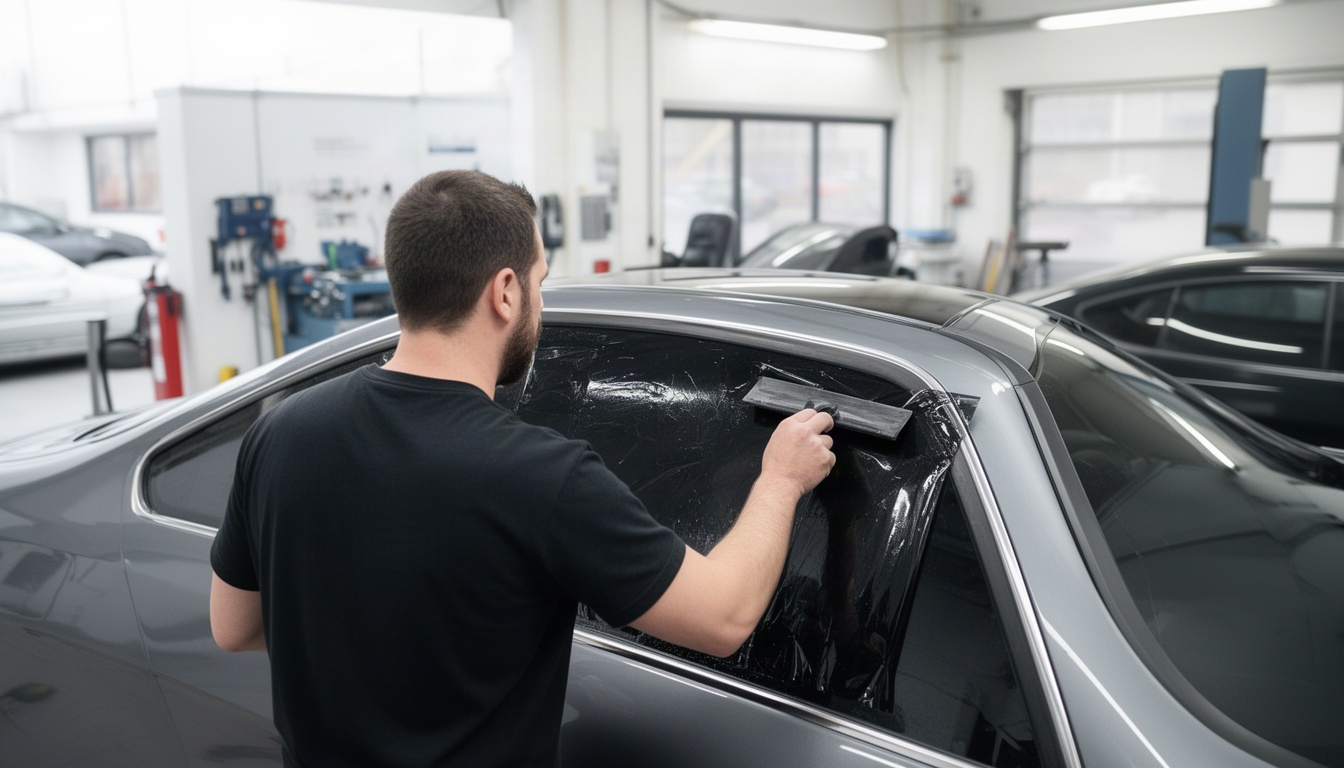
Audio Jam, located right here in Bear, specializes in professional window tint installation and can walk you through your options, answer questions about Delaware regulations, and provide a free quote for your vehicle. You can reach them at 302-832-2868 or visit windowtintdelaware.com's Bear tinting guide to learn more about ceramic tinting, heat rejection performance, and what to expect during installation.
The longer you wait, the more UV damage accumulates. If your interior is already showing signs of fading or your car is uncomfortably hot in summer, now is the time to act.